

Face Lift in Turkey
What are the Different Kinds of Facelifts?
Facelift surgery, or rhytidectomy, is not a one-size-fits-all procedure. There are several types of facelifts, each designed to target specific areas of the face and address different degrees of aging. Here are the most common types:
1. Traditional Facelift:
Also known as a full facelift, this technique addresses sagging skin, deep wrinkles, and loss of muscle tone in the mid-to-lower face and neck. It’s ideal for those with significant signs of aging.
2. Mini Facelift:
A less invasive option, the mini facelift focuses on the lower face and jawline. It’s often recommended for patients with mild to moderate skin laxity and is associated with shorter recovery time.
3. Mid-Facelift:
This procedure targets the area around the cheeks and under the eyes. It lifts sagging skin in the mid-face region, enhancing cheek volume and contour.
4. Lower Facelift:
Designed to correct sagging skin and jowls in the lower part of the face, this technique tightens the jawline and improves neck definition.
5. Thread Lift:
A non-surgical facelift option, thread lifting uses temporary sutures to produce a subtle lifting effect. While results are not as dramatic or long-lasting as surgical facelifts, it’s ideal for early signs of aging.
6. SMAS Facelift:
This technique targets the superficial musculoaponeurotic system (SMAS) layer under the skin. It offers more natural and longer-lasting results by lifting both skin and deeper tissues.
Each facelift type serves a unique purpose, and the best choice depends on your individual anatomy, age, and aesthetic goals. A consultation with a board-certified plastic surgeon can help determine the most suitable option for your needs.
Who Gets Facelifts?
Facelift (rhytidectomy) surgery is commonly sought by individuals who want to restore a more youthful appearance by addressing visible signs of aging on the face and neck. While there’s no “perfect” age for a facelift, most patients typically fall within the 40 to 70 age range. However, candidacy is more about skin condition than age.
Here are some common characteristics of people who choose to get a facelift:
-
Visible Signs of Aging: Individuals experiencing sagging skin, deep wrinkles, jowls, and loss of definition in the jawline or neck often seek facelifts to rejuvenate their appearance.
-
Good Skin Elasticity: Candidates should have some skin elasticity to achieve optimal results, as the procedure involves repositioning and tightening skin and underlying tissues.
-
Realistic Expectations: Ideal patients understand what the surgery can and cannot achieve. While a facelift can make you look younger and more refreshed, it won’t change who you are or stop aging altogether.
-
Physically Healthy: A good candidate should be in generally good health and free from conditions that impair wound healing or increase surgical risk.
Make an Appointment
Facelifts are for anyone who feels that the way they look on the outside doesn’t reflect how youthful and energetic they feel inside. Whether you’re in your 40s starting to notice early aging signs or in your 60s aiming for a more dramatic rejuvenation, a facelift can be a powerful tool for restoring confidence.
What Happens at a Facelift Consultation?
Your facelift consultation is the first and most important step toward a refreshed, younger-looking you. During this personalized appointment, you’ll meet with a board-certified plastic surgeon to discuss your goals, concerns, and expectations regarding facelift surgery.
Here’s what typically happens during the consultation:
-
Medical Evaluation: Your surgeon will review your medical history, current health status, medications, and any previous surgeries to ensure you are a safe candidate for the procedure.
-
Facial Analysis: A thorough examination of your facial structure, skin elasticity, bone structure, and aging patterns is conducted. This helps the surgeon determine the most suitable facelift technique for your specific needs.
-
Discussion of Goals: You’ll have a chance to explain what bothers you most—such as sagging skin, jowls, or deep wrinkles—and the surgeon will explain how a facelift can address these concerns. Facelift before and after photos from previous patients may be shown to set realistic expectations.
-
Treatment Plan: Based on your facial anatomy and goals, the surgeon will suggest a tailored surgical plan. In some cases, other procedures like eyelid surgery or neck lift might be recommended alongside the facelift for more harmonious results.
-
Risks and Recovery: The surgeon will explain the potential side effects, risks, and what the recovery processinvolves. You’ll also receive instructions on how to prepare before surgery and care after the procedure.
-
Cost Estimate: While prices vary by region and scope, you will receive a detailed quote covering the facelift cost, anesthesia, facility fees, and any extras.
This consultation ensures that you are fully informed and confident before proceeding with facelift surgery.

How Do I Prepare for Facelift (Rhytidectomy) Surgery?
Proper preparation is essential to ensure a smooth facelift surgery and optimal recovery. Once you’ve decided to undergo a rhytidectomy, your surgeon will provide personalized instructions, but here are the general steps to follow:
1. Medical Tests & Evaluation
Before the procedure, you’ll likely undergo lab tests or a medical evaluation to ensure you’re fit for surgery. If you smoke or have chronic health conditions, your surgeon may recommend lifestyle changes in advance.
2. Medication Adjustments
You may be asked to stop taking certain medications or supplements that increase bleeding risk, such as aspirin, anti-inflammatory drugs, or herbal remedies. Your doctor might also prescribe new medications to take before or after the procedure.
3. Stop Smoking and Alcohol
Smoking interferes with blood flow and can delay healing. Most surgeons recommend stopping at least 2–4 weeks before and after surgery. Alcohol should also be limited or avoided during this time.
4. Prepare Your Home for Recovery
Arrange your recovery space before surgery:
-
Stock up on easy-to-prepare meals and soft foods.
-
Have cold compresses ready to help reduce swelling.
-
Set up extra pillows to keep your head elevated while sleeping.
5. Arrange Transportation and Help
You will not be able to drive after surgery. Make sure someone is available to take you home and help you for the first 24–48 hours post-operation.
6. Avoid Sun Exposure
Minimize sun exposure in the weeks leading up to surgery. Excessive UV rays can increase the risk of scarring and interfere with healing.
By carefully following these preparation steps, you increase your chances of a successful surgery and faster recovery. Taking the time to get ready physically and mentally can make your facelift experience much more comfortable.
What Happens During Facelift (Rhytidectomy) Surgery?
A facelift surgery, or rhytidectomy, is performed under general anesthesia or local anesthesia with sedation. The procedure typically begins with incisions placed discreetly along the hairline, around the ears, and possibly under the chin. Through these incisions, the surgeon lifts and repositions underlying tissues, removes excess fat, and tightens facial muscles. Finally, the skin is redraped, and any excess is trimmed for a smoother, rejuvenated appearance.
If necessary, complementary procedures such as neck lift or eyelid surgery may be performed simultaneously. The entire operation usually takes 2 to 4 hours depending on the complexity and combination of treatments.
What Are the Possible Complications and Side Effects of Facelift (Rhytidectomy) Surgery?
Although facelift surgery is considered safe when performed by a qualified surgeon, it carries potential risks like all surgical procedures. Common side effects include swelling, bruising, and temporary numbness. These typically subside within a few weeks.
Potential complications may include:
- Hematoma (blood pooling under the skin)
- Infection
- Scarring (though usually hidden)
- Nerve injury (temporary or rarely permanent)
- Hair loss around incision sites
- Skin irregularities
Choosing an experienced surgeon significantly reduces the risk of these complications. Always follow your post-operative care instructions to minimize side effects and promote optimal facelift before and after results.
What Should I Expect During Recovery from a Facelift (Rhytidectomy)?
Recovery from facelift surgery varies from person to person, but most individuals can return to non-strenuous activities within 10 to 14 days. Here’s what to expect:
- First Week: Swelling and bruising are most prominent. You’ll need to rest with your head elevated and wear compression garments as advised.
- After 2 Weeks: Most visible swelling and bruising subside. Stitches are usually removed, and many people feel comfortable going out.
- After 4–6 Weeks: You may resume physical exercise. Numbness and tightness in the face may persist but will gradually fade.
- Final Results: Full healing and the final facelift before and after results may take several months to manifest.
Your surgeon will monitor your progress with follow-up visits to ensure your recovery is smooth and complication-free.
Face Lift Cost
The cost of facelift surgery can vary significantly depending on several factors, including the surgeon’s expertise, clinic location, anesthesia fees, and whether additional procedures (such as neck lift or eyelid surgery) are performed. In countries like Turkey, facelift procedures are typically more affordable due to lower operational costs, without compromising on quality or safety. This makes Turkey a popular destination for international patients seeking natural-looking facelift before and after results at a more accessible rate. It’s important to have a detailed consultation to receive a personalized treatment plan and accurate pricing based on your specific needs.
| Brazilian Butt Lift Turkey | €2,500 – €4,500 |
| Brazilian Butt Lift UK (England) | €8,000 – €14,000 |
| Brazilian Butt Lift United States | €9,500 – €15,500 |
| Brazilian Butt Lift Germany | €7,000 – €12,000 |
| Brazilian Butt Lift Spain | €5,000 – €9,500 |
| Brazilian Butt Lift France | €6,500 – €11,500 |
| Brazilian Butt Lift Ireland | €10,000 – €16,000 |
Quick Facts
| Procedure: | Facelift surgery tightens and lifts the skin and muscles of the face and neck to reduce signs of aging, such as sagging skin and deep wrinkles. |
| Duration: | 2–5 hours |
| Accommodation: | 3–5 nights in a hotel or clinic |
| Anesthesia: | General anesthesia |
| Recovery Time: | Back to work in 10–14 days |
| Compression Garment: | Usually not required, but some swelling support may be advised |
| Scars: | Hidden along the hairline and around the ears |
| Pain: | Moderate, managed with medication |
| Exercise: | Light walking after a few days; avoid strenuous exercise for 4–6 weeks |
| Shower: | Allowed after 2–3 days depending on the surgeon’s advice |
| Results: | Visible improvements immediately; final results after swelling subsides (several weeks to months) |
| Possible Side Effects: | Swelling, bruising, numbness, temporary tightness, possible scarring |
| Other Procedures That Can Be Combined: |
Blepharoplasty (Upper & Lower Eyelid Surgery), Brow Lift, Mid Facelift, Fat Injection to Face, Chin Liposuction, Bichectomy, Rhinoplasty (Nose Job), Temporal Lift |
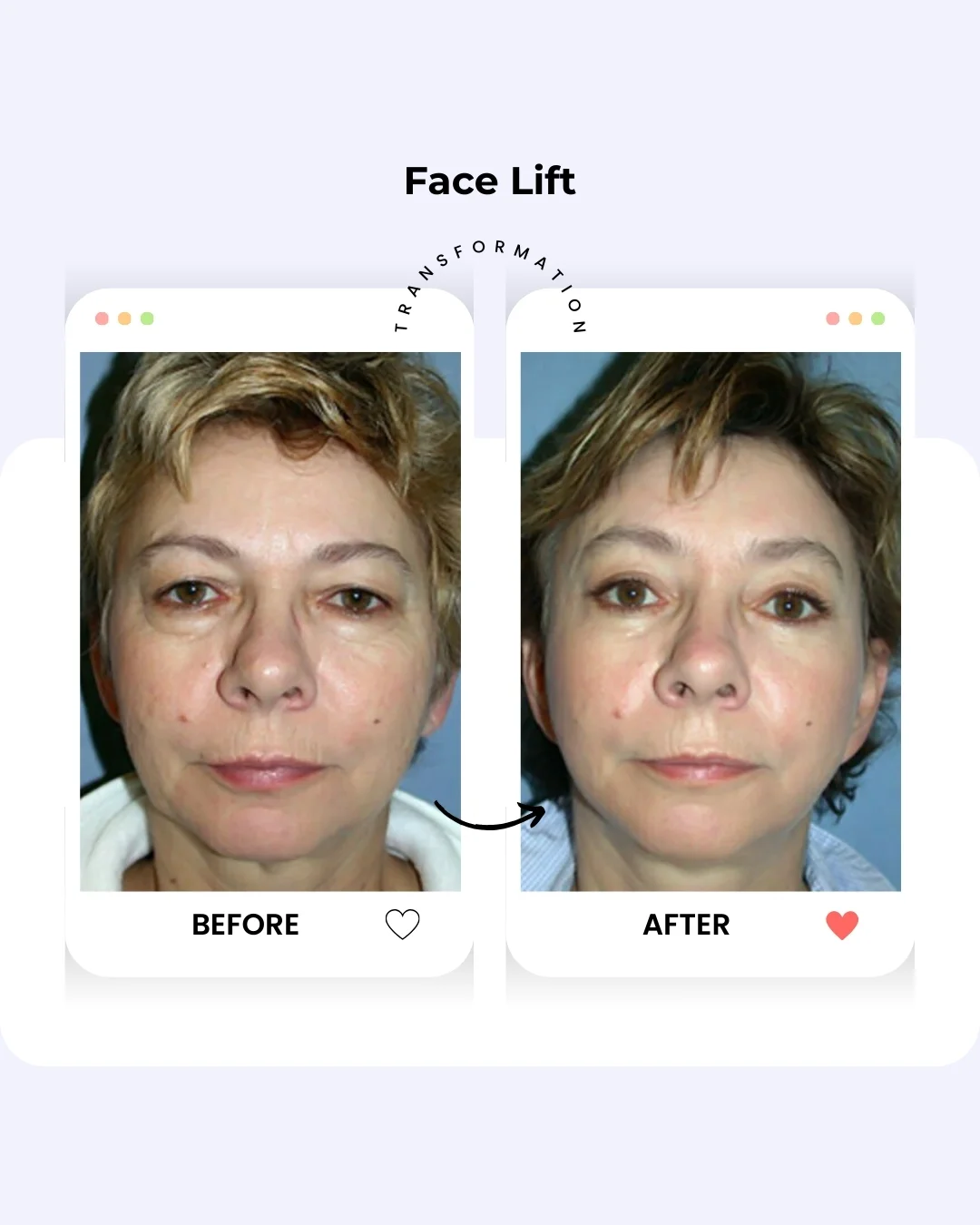
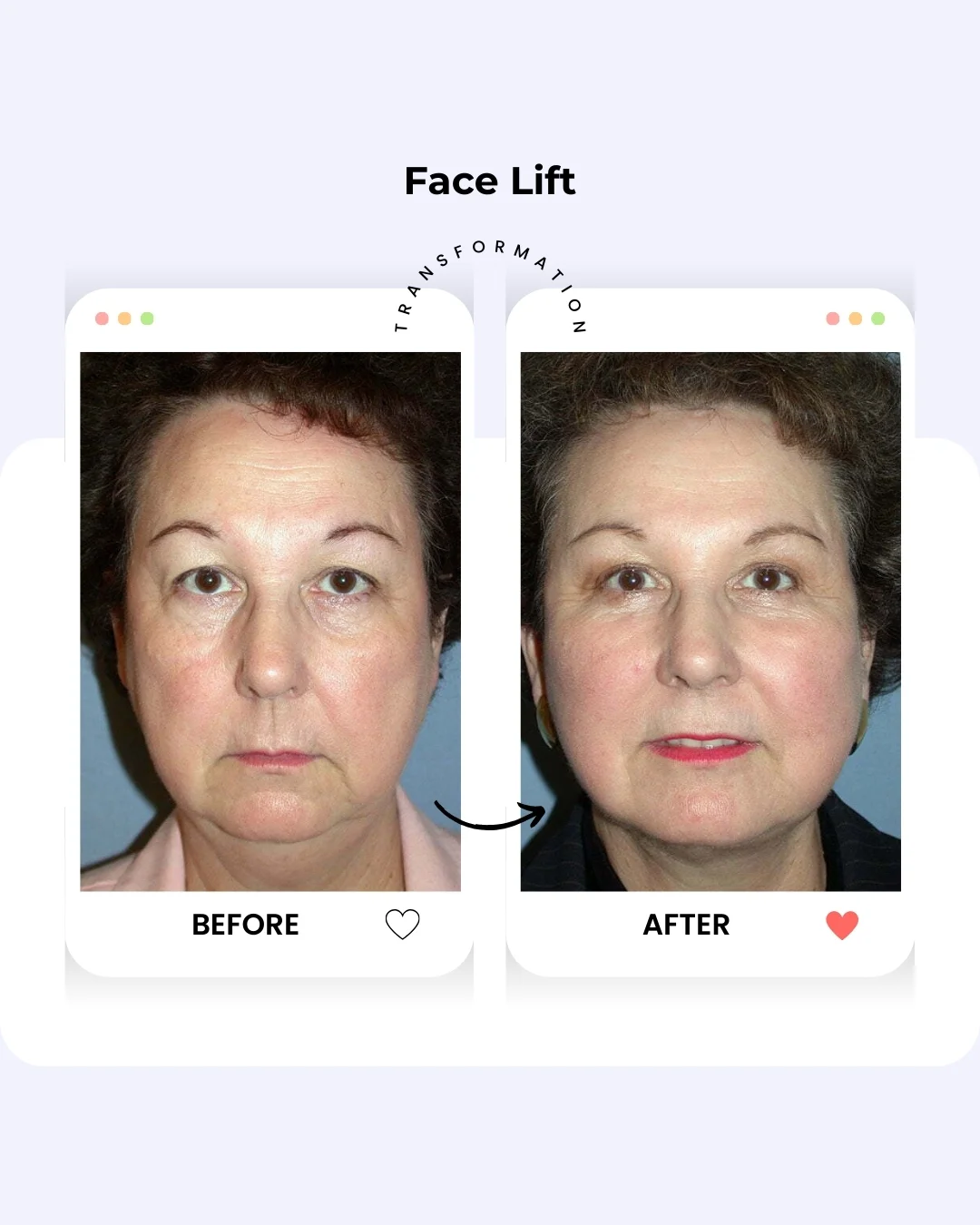
Before & After

Frequently Asked Questions
What does facelift surgery do?
Facelift surgery rejuvenates the lower and mid-face by removing excess skin, tightening muscles, and lifting sagging tissues. It restores a youthful contour to the jawline, cheeks, and neck.
How much does a facelift cost in Turkey?
The facelift cost in Turkey varies depending on the clinic, surgeon experience, and whether other procedures are combined. It is often more affordable than in many Western countries, with high-quality standards.
What is the best age to get a facelift?
Most patients undergo a facelift in their 40s to 60s, but it depends on the degree of aging and skin elasticity. A consultation with a plastic surgeon will determine the right timing based on your individual facial structure.
How long does a facelift last?
A facelift can last 7 to 10 years. Lifestyle choices, genetics, and skincare habits influence the longevity of the results. While the procedure does not stop aging, it sets back the clock significantly.